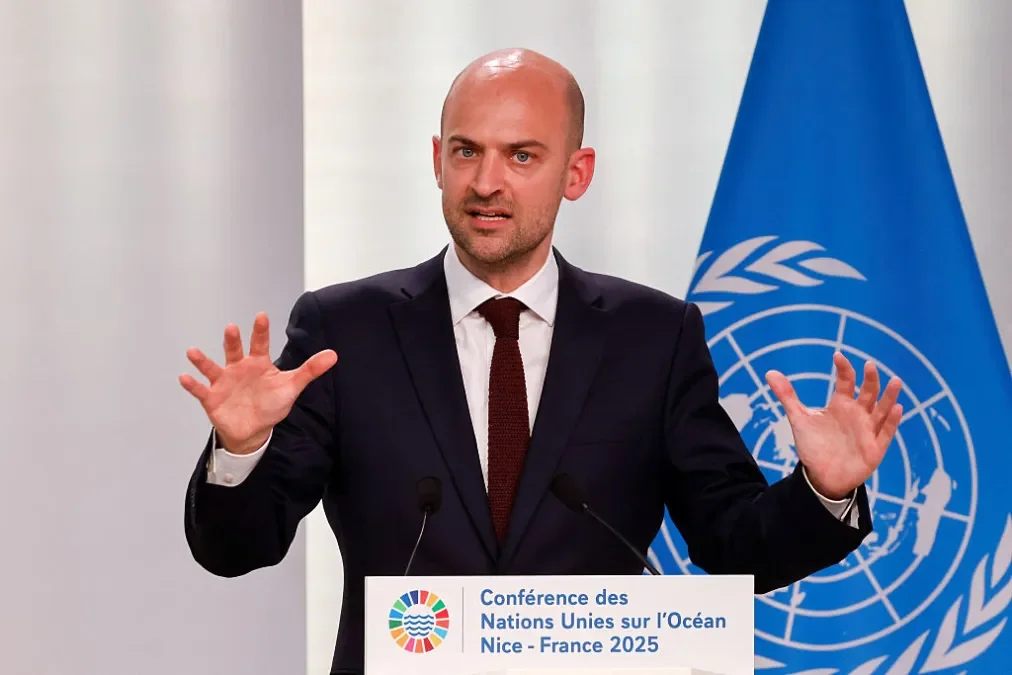
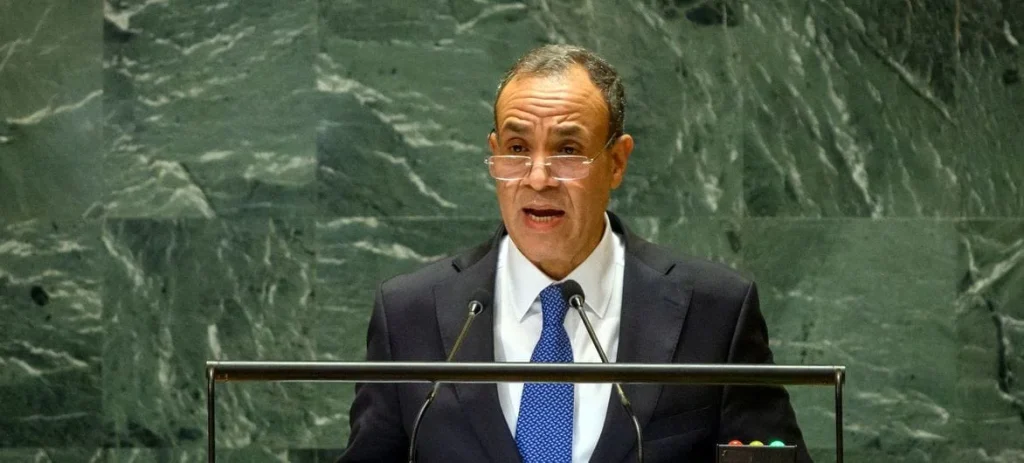
The United Nations has signaled a definitive end to the era of minor, isolated development efforts. Elena Panova, the UN Resident Coordinator in Egypt, declared that the mounting complexity of global crises demands a radical strategic pivot.
Speaking from Doha, Panova asserted that small-scale interventions are no longer sufficient to tackle current challenges. Instead, the future of UN aid strategy in Egypt relies on massive, government-led initiatives.
This directive comes as the UN team works to accelerate sustainable development goals. By aligning closely with national authorities, the organization aims to maximize impact through multilateral cooperation.
Navigating a Severe Funding Crisis
This strategic shift is driven by necessity as much as ambition. Panova revealed that the mission faces a debilitating financial shortfall, driven by a global decline in official development assistance (ODA).
Specifically, UN programs in Egypt have suffered a staggering $87 million funding cut.
Consequently, this retraction of resources disproportionately affects the most vulnerable demographics:
-
Migrants and refugees
-
Host communities
-
Women and children
These reductions jeopardize critical safety nets, including initiatives that provide safe learning spaces and combat gender-based violence. Panova maintained that despite the austerity, protecting these at-risk groups remains a non-negotiable priority.
Innovation Required for UN Aid Strategy in Egypt
To survive the liquidity crunch, the UN is aggressively pursuing alternative financing models.
Panova highlighted debt swaps as a primary solution. Her team is currently collaborating with the Egyptian government to engineer new financial mechanisms that do not rely solely on traditional donor cash.
“We don’t have the money. We don’t have the luxury, because of the complexity of the problems,” she said. “We need to come together, and we need to work at scale under the leadership of the government.”
Beyond Cash Handouts
Despite the grim financial outlook, social protection efforts have yielded significant results. Current cash transfer programs now support over five million households across the nation.
However, the new UN aid strategy in Egypt focuses on evolution. Panova clarified that these transfers are designed to be more than temporary relief. The goal is to integrate beneficiaries into the broader economy by linking them with health services, education, and employment.
“You give cash, but in addition to the cash you empower people so they can get out of that poverty trap,” Panova explained.
Moving forward, the UN is assisting the government in building a unified national framework. This system will merge social insurance with employment pathways, creating a predictable and robust safety net for millions.
_____________________________________________________________________________________________________________________________
Operation Thunder 2025: 1,100 Suspects Identified in Record Global Wildlife Crime Bust