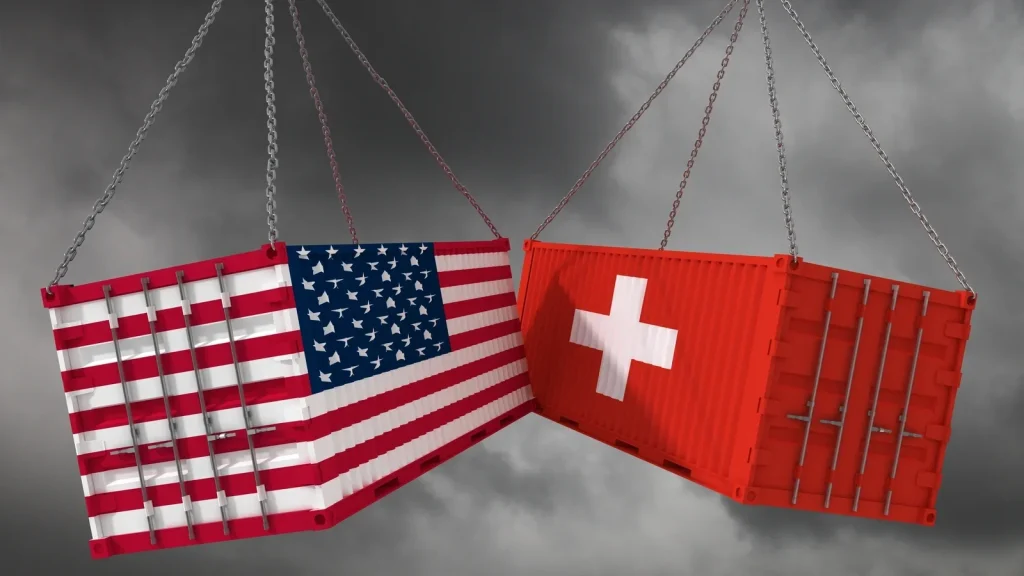
Swiss businesses can finally breathe a sigh of relief. The government confirmed on Wednesday that the United States has officially lowered tariffs on Swiss imports from a punitive 39% to 15%.
Crucially, this reduction is effective retroactively from November 14. This move ends a period of intense uncertainty for companies in the Alpine nation, who had been saddled with the highest U.S. duties of any European country.
The tariff slash is the result of a preliminary agreement sealed last month. In exchange for Washington cutting the levies, Swiss corporate giants have pledged to invest a staggering $200 billion in the U.S. economy by the end of 2028.
Army Knives and Economic Growth
The impact is immediate. Many businesses had paused shipments, waiting for the duties to drop.
Victorinox, the iconic manufacturer of Swiss Army knives, expressed relief regarding its largest export market.
“This step creates a significantly more manageable framework for our exports to the United States,” said CEO Carl Elsener.
Economists are equally optimistic. Hans Gersbach from the KOF Institute at ETH Zurich predicts the lower tariffs will boost Swiss economic growth by 0.3 to 0.5 percentage points next year. The trade-weighted tariff burden is now estimated to sit between 7% and 9%, roughly 10 points lower than previous levels.
Navigating Trump’s Trade War
The original 39% duties were imposed by U.S. President Donald Trump in August. He cited the U.S. trade deficit with Switzerland as justification, a move that stunned the Swiss business community.
This new deal levels the playing field with EU competitors. It also includes a cap on future risks: the two sides agreed that any additional tariffs on pharmaceutical products—a key Swiss export—would not exceed 15%, even under national security investigations.
Political Caution Remains
Despite the victory, Guy Parmelin, the Swiss Economy Minister who led the negotiations, remains cautious.
Speaking shortly after parliament confirmed he would serve as the country’s president next year, Parmelin noted the unpredictability of U.S. trade policy. He recalled that the Trump administration had previously floated even higher tariffs for prescription drugs.
“You never know what could happen,” Parmelin warned at a press conference.
The two nations must still finalize the formal agreement. Negotiations are expected to conclude by the first quarter of 2026. Parmelin assured reporters that U.S. officials understand that formalizing the deal within the Swiss legal system will take time.
ALSO READ: Nigeria Reduces Signature Bonus for 2025 Oil Blocks