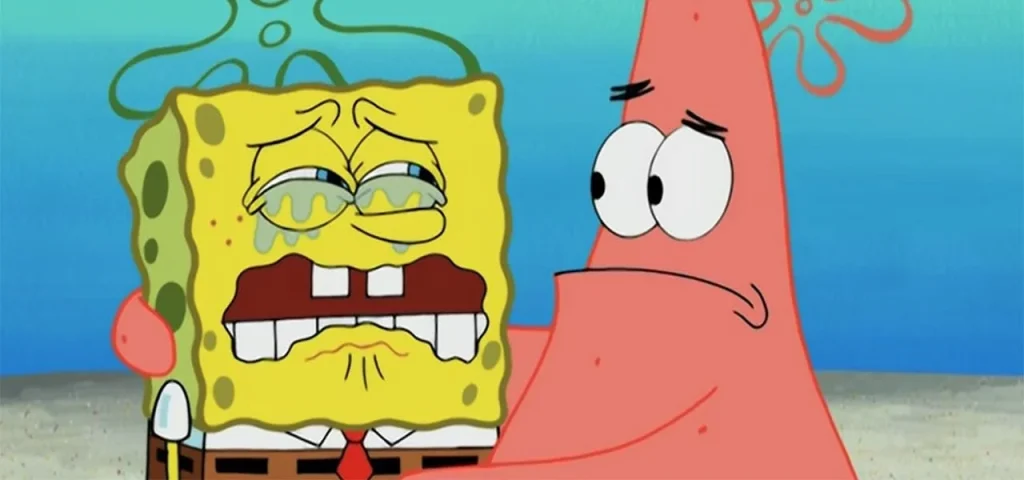
The Federal Government has formally initiated a plan to overhaul children’s television programming, mandating that 70 percent of all cartoon content aired in the country must be Nigerian-made within the next three years.
To enforce this ambitious cultural pivot, the National Orientation Agency (NOA) and the National Broadcasting Commission (NBC) have inaugurated a joint committee. Their mandate is to develop a roadmap that replaces foreign narratives with stories that reflect local values, heroes, and culture.
Reclaiming the Narrative
NOA Director-General Lanre Issa-Onilu led the inauguration on Wednesday. He argued that the dominance of foreign animation has detached Nigerian children from their own reality.
According to Issa-Onilu, cartoons are psychological tools, not just leisure. He insisted that the “lions of tomorrow”—the next generation of Nigerians—must see themselves reflected on screen.
“Cartoons shape attitudes, values and aspirations, and for too long, the dominant narratives on our screens have been foreign — detached from the realities, identities and values of the Nigerian child,” Issa-Onilu stated.
He emphasized that the initiative is a core component of the Nigerian Identity Project. This national strategy aims to institutionalize the values outlined in the National Values Charter:
- Honesty
- Hard work
- Respect
- Discipline
- Unity
“The true essence of being Nigerian lies not only in our languages and attire, but in the values we live by,” he added.
Regulatory Teeth and Funding
The policy is not merely aspirational; it will be backed by law.
Mrs. Stella Erhunmwunsee, Director of Broadcast Policy and Research at the NBC, confirmed that the regulator is currently reviewing the Nigerian Broadcasting Code. The updated code will include specific provisions to enforce the display of indigenous children’s cartoons.
“Luckily enough, we are having our code review, and we are hoping that the NOA will participate fully so that together we can come up with provisions that will help in fulfilling this great policy,” Erhunmwunsee explained.
regarding the financial burden of this transition, the government clarified that it will not solely fund production. Instead, animators are encouraged to tap into existing resources.
Issa-Onilu highlighted the Ministry of Creative Economy’s loan scheme, noting that a pool of approximately $100 million is available for creatives, including those in the animation sector.
Policy Origins
This move stems from a directive approved by the Federal Executive Council last year, aimed at domesticating the airwaves.
The NOA DG first hinted at this aggressive localization strategy during a town hall in Kogi State on May 24, 2024. The inauguration of the committee marks the transition from policy announcement to implementation.