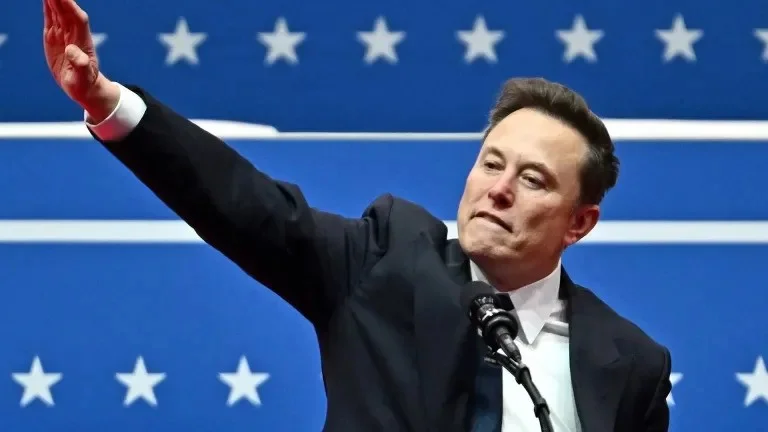
Tesla CEO Elon Musk has publicly opposed the complete dismantling of the H-1B visa program. During a recent conversation, the tech billionaire argued that the United States should focus on closing legislative loopholes instead. He stressed that eliminating the pathway for skilled workers would be a mistake.
Musk shared these insights while speaking with Indian entrepreneur Nikhil Kamath. He highlighted the historical contributions of Indian talent to the American technology sector. However, he conceded that valid concerns exist regarding the manipulation of the current lottery system.
Addressing Flaws in the H-1B Visa Program
Musk specifically targeted the “gaming” of the application process. The H-1B visa program allows US companies to employ foreign workers in specialty roles. Unfortunately, staffing agencies often exploit this by flooding the lottery with multiple applications for the same person.
Furthermore, critics argue that some firms use these visas to source cheap labor rather than filling genuine skill gaps. Musk agrees that these exploitative practices must stop.
Nevertheless, he distinguished his stance from hardliners who demand a total shutdown. Consequently, he warned that ending the program entirely would negatively impact the US economy.
Stricter Rules and Plummeting Approvals
These discussions coincide with a period of tightening immigration restrictions. President Donald Trump recently introduced a substantial $100,000 fee for applicants. This new financial barrier has caused alarm among Indian professionals and their prospective employers.
The impact of the crackdown is already visible in recent data. Visa approvals for major Indian outsourcing firms have fallen to decade-low levels. Specifically, initial employment approvals for the top seven Indian companies have dropped by 70% compared to 2015.
Trade Policy Disagreements
Beyond immigration, Musk also revealed a divergence of opinion with the President on economic policy. He disclosed that he attempted to dissuade President Trump from increasing trade tariffs. Musk believes such levies distort the market, but the President remains a firm supporter of tariffs.
This policy stance has heavily impacted India-US trade relations. Earlier this year, the US imposed 50% tariffs on Indian goods, including penalties related to Russian oil. Currently, officials from both nations are negotiating a new trade agreement to resolve these tensions before the year ends.
________________________________________________