
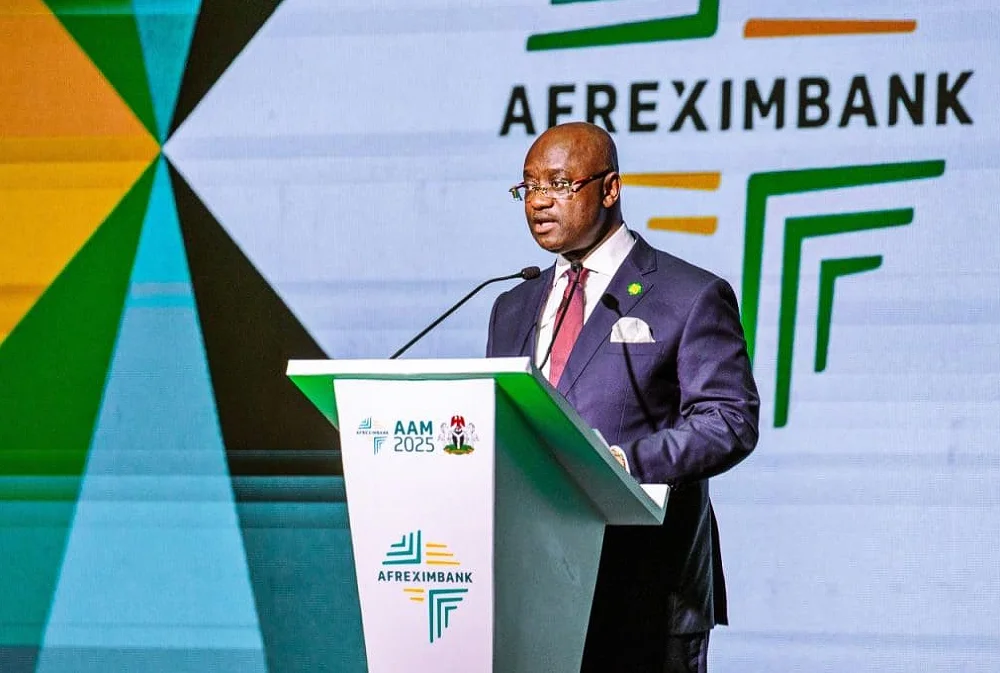
The African Export-Import Bank (Afreximbank) has made a massive commitment to the continent’s future. The bank pledged to double its financial support for the African Continental Free Trade Area (AfCFTA).
Dr. Gainmore Zanamwe, a senior director at the bank, announced the plan in Abuja on Monday. He outlined a strategy to ensure no African nation is left behind during this economic transition.
Doubling Down on Investment
Afreximbank is engaging in aggressive financing. The bank aims to unlock new levels of trade and investment.
“Afreximbank designed a range of financing and trade facilitation instruments,“ Zanamwe stated.
He disclosed impressive figures. The bank disbursed $20 billion between 2017 and 2021. Now, they are on track to double this amount to $40 billion by 2026.
Creating Industrial Giants
To achieve this, the bank is using specific interventions. The flagship program is the Global Facility for Intra-African Trade Champions (INTRA-CHAMPS).
This initiative is transforming the landscape. It builds homegrown industrial giants capable of scaling across borders.
Zanamwe cited powerful examples.
-
ElSewedy Electric: An Egyptian multinational that expanded into over 15 African nations.
-
The Dangote Group: An iconic conglomerate anchoring value chains in cement and refining.
“We are not just financing trade,” Zanamwe emphasized. “We are laying the foundation for industrialization.“
A Safety Net for Nations
The shift to a single market brings challenges. Some countries fear losing tariff revenues. Therefore, the bank established the AfCFTA Adjustment Fund.
This fund is backed by a $1 billion commitment. It serves as a shock absorber for transitioning economies. Zanamwe confirmed that the Credit Fund is already operational. It has disbursed $10 million to date.
Nigeria Needs Quality Standards
The director also addressed Nigeria directly. He urged the government to strengthen its legislative framework.
Specifically, he called for the passage of the National Quality and Food Safety Bill.
“Nigeria needs to ensure that the National Quality and Food Safety Bill is passed and implemented,” he advised.
Passing this bill is vital. It ensures local products meet export requirements. Consequently, Nigeria can secure a stronger foothold in regional value chains.