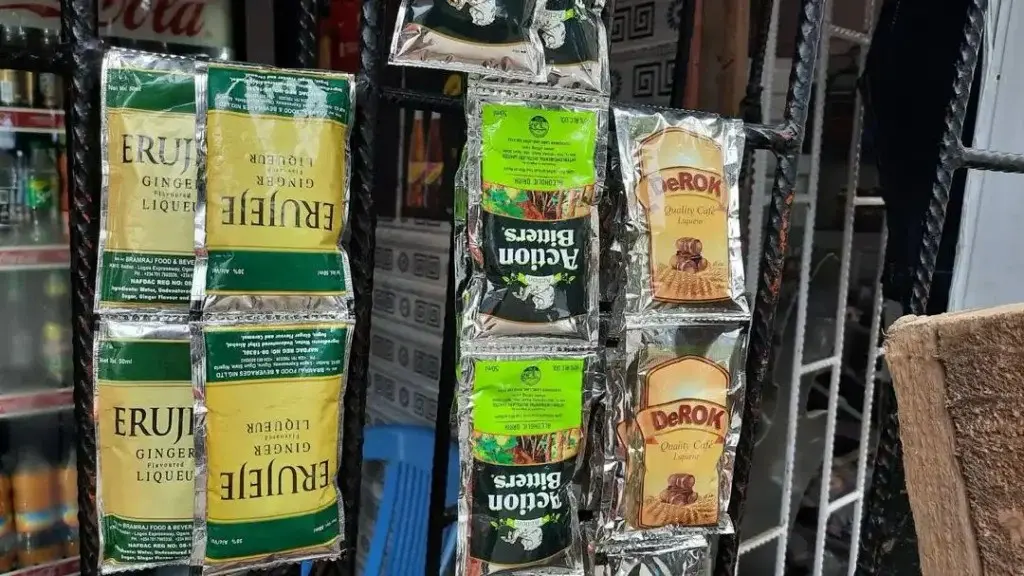
Nigeria’s manufacturing sector is facing a potential catastrophe. The Food, Beverage, and Tobacco Senior Staff Association (FOBTOB) has sounded a critical alarm regarding the industry’s future. They cautioned that the government’s impending ban on sachet alcohol could trigger widespread economic devastation.
Authorities plan to enforce this strict prohibition starting December 31. The policy targets sachet drinks and PET bottles smaller than 200ml. According to the union, this directive jeopardizes investments worth over N2 trillion.
Massive Job Losses Predicted
FOBTOB President Jimoh Oyibo highlighted the severity of the situation during a press conference in Lagos. He revealed that approximately 5.5 million jobs are currently at risk.
The potential unemployment crisis breaks down as follows:
-
Direct Employment: Over 500,000 factory workers could face immediate redundancy.
-
Supply Chain: Nearly five million people, including distributors and marketers, would lose their livelihoods.
Consequently, Oyibo insisted that halting the ban on sachet alcohol is essential. He argued that repealing the order would avert these grave repercussions.
Demand for Senate Intervention
The union is calling for urgent legislative action. Oyibo urged the Senate to conduct a public hearing before the deadline expires. He emphasized that lawmakers must “hear the other side” to ensure fairness for all stakeholders.
Furthermore, he reminded the government of past precedents. A similar restriction was suspended last year following labor protests and intervention by the House of Representatives.
Policy Solutions and Social Risks
Oyibo expressed frustration that existing solutions are being ignored. Stakeholders recently validated a comprehensive National Alcohol Policy in October 2025 with NAFDAC. Therefore, he urged the government to utilize this framework rather than enforcing a total prohibition.
Finally, the union warned of severe unintended consequences. Indigenous manufacturers face total collapse, which would likely boost the smuggling of dangerous, unregulated products.
Ultimately, the social cost will be high. Oyibo warned that as parents lose income, children will be forced out of school, deepening the cycle of poverty.
________________________________________________