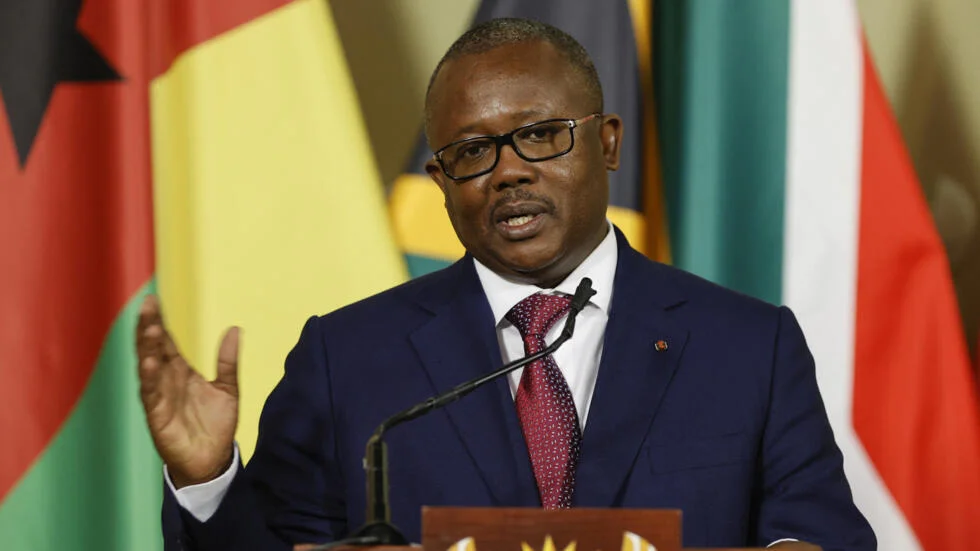
In just three days, two million people will decide whether President Umaro Sissoco Embaló becomes the first leader in half a century to win re-election, or whether the tiny West African nation plunges back into turmoil.
A Presidency Already on Shaky Ground
Embaló’s five-year term is at the centre of a bitter constitutional fight:
- Opposition insists it ended in February
- Supreme Court says it runs until September
- Election date suddenly moved up from 30 November to this Sunday
Many voters now question whether the president is even legally in office.
12 presidential candidates and 14 parties or coalitions are on the ballot, but several major opposition blocs were disqualified, fuelling accusations of a rigged playing field.
The Ghost of Coups Past
Since independence from Portugal in 1974, Guinea-Bissau has suffered more coups and attempted coups than peaceful power transfers. Military factions remain deeply split, and analysts warn that a disputed result could quickly turn barracks into battlegrounds.
What People in Bissau Are Saying
Walking through the capital’s dusty markets, the same plea is heard again and again:
“I don’t care who wins – I just want peace,” said Fatoumata Djalo, a mother of three. Another voter, 61-year-old fisherman Amadou Baldé, added: “We are tired of guns deciding our future. Let the votes decide, and let everyone accept it.”
One Country, Two Possible Futures
Sunday’s election is more than a choice of president. It is a referendum on whether Guinea-Bissau finally breaks its cycle of instability – or falls back into the familiar nightmare of coups, curfews and closed borders.
Polling stations open at 7 a.m. The whole world will be watching who walks out of the palace next week.
“Your ID or No Treatment”: Vigilantes Turn South African Clinics into Checkpoints