Three leading United Nations bodies — the refugee agency (UNHCR), World Health Organization (WHO), and Mine Action Service (UNMAS) — issued urgent alerts on Friday about Sudan’s spiraling crisis, now in its third year of brutal civil war.
Roots of the Conflict
The fighting pits Sudan’s regular army against the Rapid Support Forces (RSF), once partners in a planned handover to civilian rule after the 2019 revolution. Their clash has torn the country apart.
Staggering Human Toll
WHO reports at least 40,000 deaths and 12 million people forced from their homes, though independent estimates put fatalities far higher. In October, RSF troops overran Al-Fashir, North Darfur’s capital, and stormed the city’s Saudi Hospital, killing more than 450 patients and staff.
Survivors describe door-to-door raids involving rape, summary executions, and widespread looting.
Famine and Disease Grip the Nation
Over 21 million Sudanese face critical hunger, with famine officially declared in several areas. Cholera has claimed more than 3,500 lives as healthcare collapses.
WHO spokesperson Christian Lindmeier warned that preventable diseases are now the biggest killer due to destroyed clinics and blocked aid.
Mass Exodus and Hidden Dangers
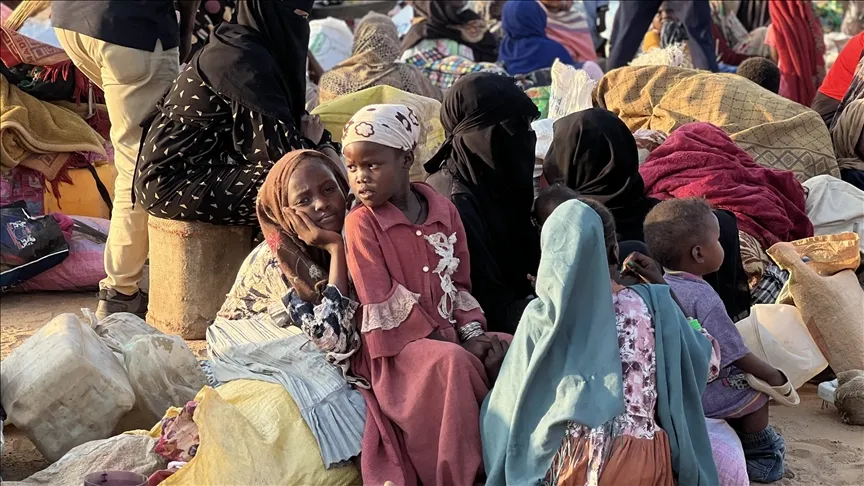
UNHCR says 90,000 fled Al-Fashir in just two weeks, but thousands remain trapped. Many with disabilities or injuries cannot move and risk being pushed back into the war zone.
UNMAS highlighted another lethal threat: landmines and unexploded bombs littering cities. “Combat in crowded neighborhoods makes every step potentially deadly,” said representative Sediq Rashid.
Global Push for Accountability
In Geneva, the UN Human Rights Council unanimously approved an emergency probe. An independent expert team will investigate the hospital massacre and other RSF atrocities in Al-Fashir, aiming to document crimes and preserve evidence for justice.
Sudan’s suffering shows no sign of ending but the world is finally demanding answers.
Paystack Suspends Co-Founder Ezra Olubi Over Misconduct Claim