
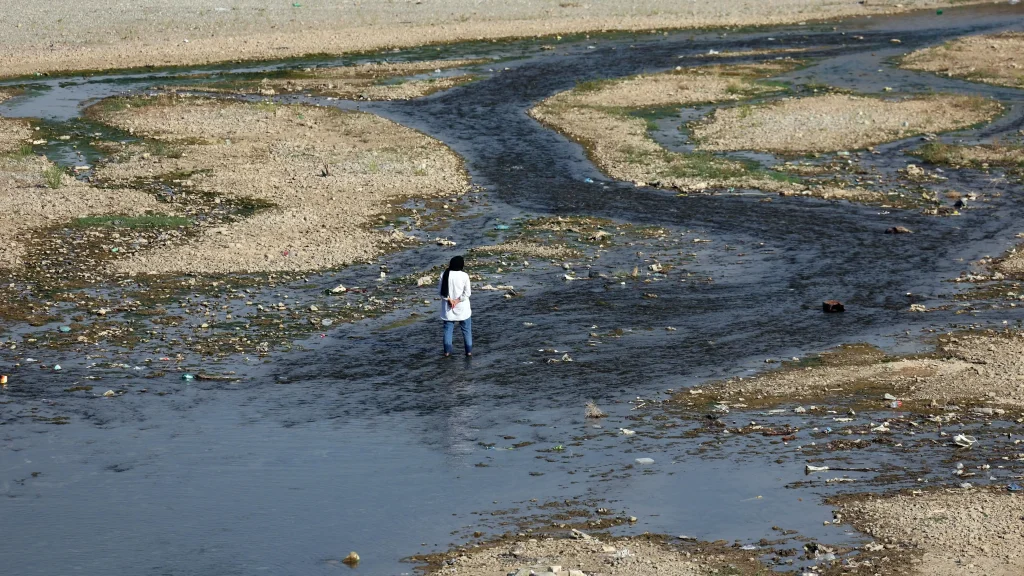
Iran has rolled out emergency aircraft operations to force rain from the skies, targeting its biggest lake in a bold bid to ease the nation’s deepest water shortage in ten years.
How Cloud-Seeding Works
Special planes release tiny particles like silver iodide or salt into clouds to encourage water droplets to form and fall as rain. The first mission flew on Saturday over Lake Urmia, the country’s largest body of water, which has shrunk dramatically in recent decades.
Tehran Faces Sixth Straight Dry Year
The capital is ground zero for the crisis. For the sixth year running, rainfall has been almost nonexistent. Many homes now see taps run dry for days at a time.
Authorities broadcast nonstop pleas for conservation. Panic buying of water tanks has emptied stores as families brace for a long, thirsty haul ahead.
Power Cuts and Damaged Infrastructure
Scorching summer heat drained reservoirs and triggered rolling blackouts. The government even declared forced national holidays to cut electricity use.
Recent military attacks further crippled key water facilities, worsening an already dire situation.
Reservoirs at Rock Bottom
Officials warn that the dams feeding Tehran hold just 5% of their normal volume. With no natural storms in sight, these high-risk cloud-seeding flights are the government’s last-ditch effort to prevent total collapse.
Will the planes bring relief — or is Iran’s water future hanging by a thread?