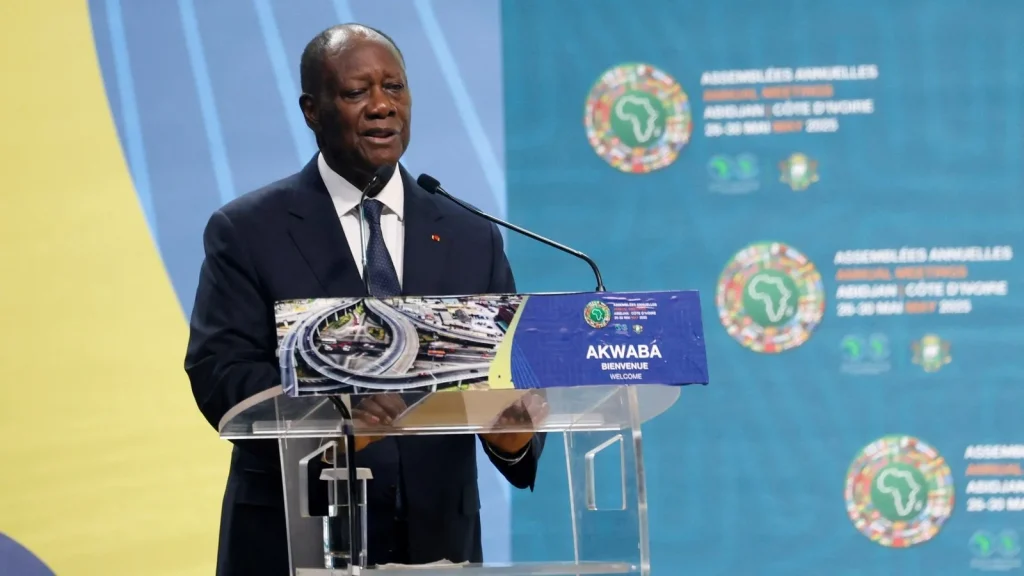
As President Alassane Ouattara begins another term, one thing is clear: Côte d’Ivoire has become the continent’s growth champion. For over a decade, the country has posted some of the strongest numbers in Africa and experts believe the momentum isn’t slowing down.
Economist Modibo Mao Makalou told Business Africa that 2026 could see growth hit as high as 8%. “Since the 2011 crisis ended, few countries have matched this consistent performance,” he said.
The Hidden Cracks Behind the Boom
But the shine comes with shadows.
- Almost 90% of all economic activity happens in Abidjan, leaving the rest of the country far behind.
- Around 80% of jobs and businesses operate in the informal sector, limiting tax revenue and modern growth.
- Deep regional and social inequalities remain a daily reality for millions.
Politics Can Make or Break the Miracle
Makalou warns that investor confidence depends entirely on stability. “Money hates uncertainty,” he says. “Any hint of political trouble and capital freezes.”
The October 2025 presidential election passed peacefully, but eyes are now on the legislative elections coming before year-end. Many see them as the real test of whether calm will hold.
If the country stays on track, Makalou is confident Côte d’Ivoire can reach upper-middle-income status by 2030 a goal that once seemed impossible.
Quick Hits from the Region
Senegal in Debt Crisis Hidden liabilities worth more than $11 billion have left Dakar in serious trouble. Economist Dr. Seydou Bocoum says only two painful options remain: borrow more to pay the old debt, or let the central bank print money to buy it. A new IMF programme is currently off the table.
African Ports Go Digital From Lagos to Durban, startups are helping ports slash delays, cut paperwork mountains, and manage risks better through digital platforms a quiet revolution that could transform maritime trade across the continent.