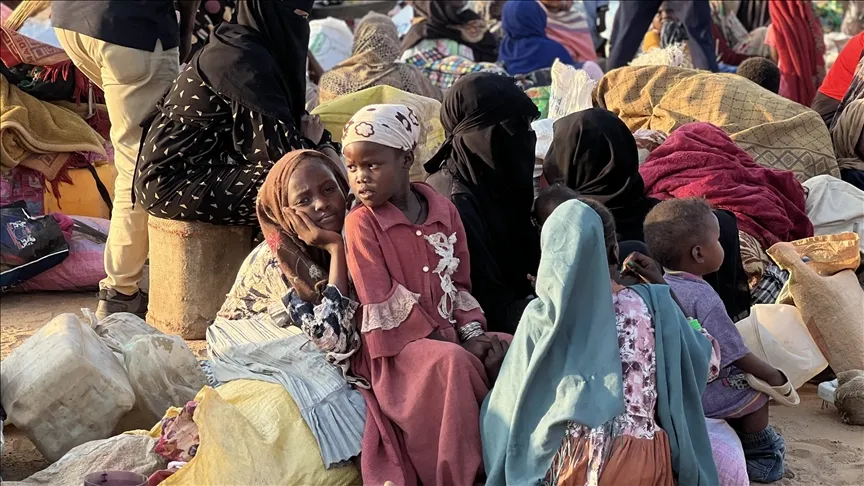
The United Nations Human Rights Council met in Geneva on Friday for an urgent session focused on the humanitarian disaster in Al-Fashir, the last major city in Darfur to fall to the Rapid Support Forces (RSF) on October 26.
Members are debating a resolution that would establish an independent fact-finding mission to document atrocities committed during and after the city’s capture, identify perpetrators, and preserve evidence for future accountability.
UN Rights Chief Demands Global Response
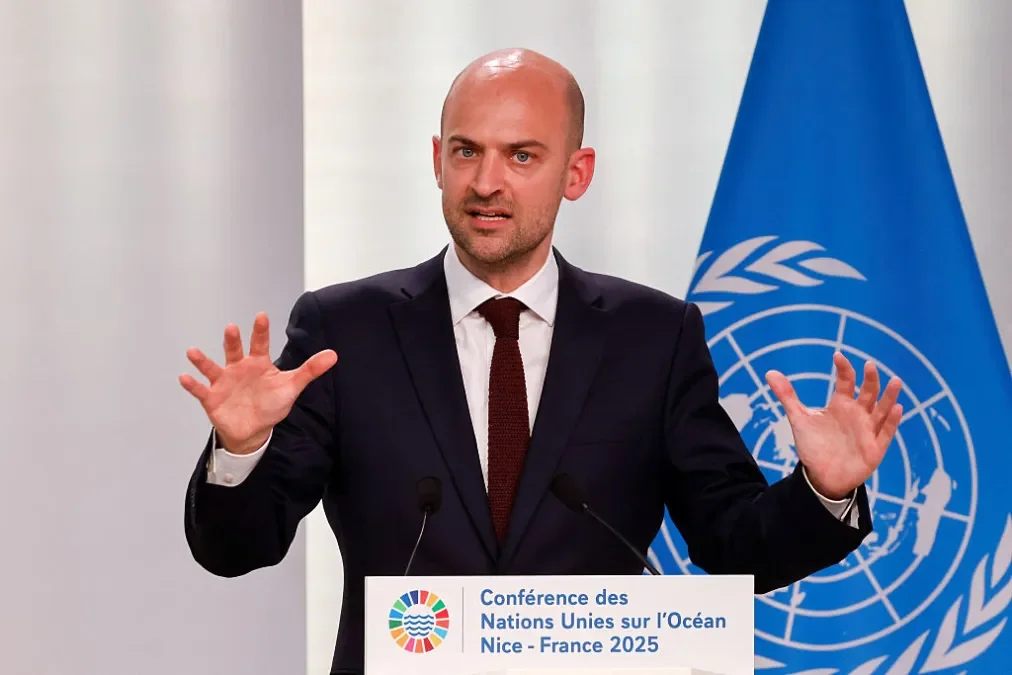
Opening the session, UN High Commissioner for Human Rights Volker Türk delivered a forceful appeal.
“Enough with the pretense and empty gestures the world must finally act,” Türk said. He described the violence as deliberate cruelty designed to terrorize and dominate civilians, urging immediate international intervention to stop the bloodshed.
Horrific Accounts from Survivors
Expert witness Mona Rishmawi told the council that RSF fighters turned a university sheltering thousands of displaced people into an execution site.
Survivors reported bodies left rotting in streets, mass graves hastily dug around the city, widespread shootings of civilians, drone attacks, and systematic sexual violence against women fleeing the area.
RSF Rejects Accusations
The paramilitary group has denied targeting civilians or blocking humanitarian aid, blaming any violations on unauthorized elements within its ranks.
Growing Alarm Over Regional Spillover
Commissioner Türk also warned of intensifying fighting in neighboring Kordofan, a strategic area that could determine control of central Sudan. He called for sanctions against individuals and companies profiting from the war.
The proposed resolution condemns ethnically targeted killings and the use of rape as a weapon but stops short of probing foreign states accused of arming the RSF a point sharply criticized by Sudan’s government representative, who described the conflict as an “existential threat” fueled by outside support.
The United Kingdom, European Union, Norway, and Ghana threw their weight behind the measure, stressing that continued violence risks destabilizing the entire region. The text demands unrestricted access for emergency aid to reach hundreds of thousands of trapped and starving residents.