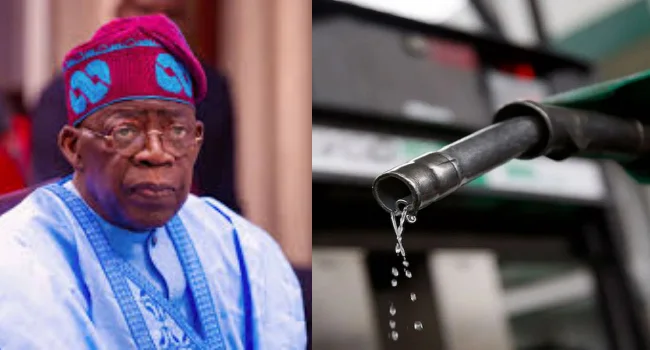
The Federal Government, under President Bola Ahmed Tinubu, has suspended the planned 15 percent import duty on imported Premium Motor Spirit (PMS), commonly known as petrol, and Diesel.
The Director of the Public Affairs Department for the Nigerian Midstream and Downstream Petroleum Regulatory Authority (NMDPRA), George Ene-Ita, confirmed this crucial announcement in a statement on Thursday.
Tariff Implementation Put On Hold
Ene-Ita officially confirmed the decision. He stated that “the implementation of the 15 per cent ad-valorem import duty on imported Premium Motor Spirit and Diesel is no longer in view.”
The new tariff had been approved following a proposal by the Federal Inland Revenue Service (FIRS). The measure was originally intended to align import costs with domestic market realities.
It was also meant to incentivize local refining operations. Previously, reports suggested the tariff could add nearly ₦1 trillion annually to the country’s petrol import bill.
Assurance on Supply and Security
The NMDPRA assured the public that the nation holds an adequate supply of petroleum products. This supply operates within the acceptable national sufficiency threshold, even during this period of peak demand.
The Authority stated that there is a “robust domestic supply of petroleum products… sourced from both local refineries and importation.” This ensures the timely replenishment of stocks at retail stations and storage depots.
The regulatory body used the opportunity to strongly advise against any hoarding, panic buying, or non-market reflective escalation of prices for petroleum products. The NMDPRA affirmed its commitment to guarantee energy security and monitor the supply situation closely.
Underlying Policy Concerns
The presidency had initially explained the tariff was introduced to stabilize prices. It was also intended to discourage duty-free imports that undercut local refiners.
However, stakeholders raised concerns. Many argued that the nation still lacks sufficient refining capacity to support the policy without potentially worsening fuel scarcity or prices. Experts had warned the tariff could push petrol prices beyond ₦1,000 per litre until local refining meets demand.
Defiant Dancers: Bamako’s Puppet Festival Continues Despite Fuel Crisis