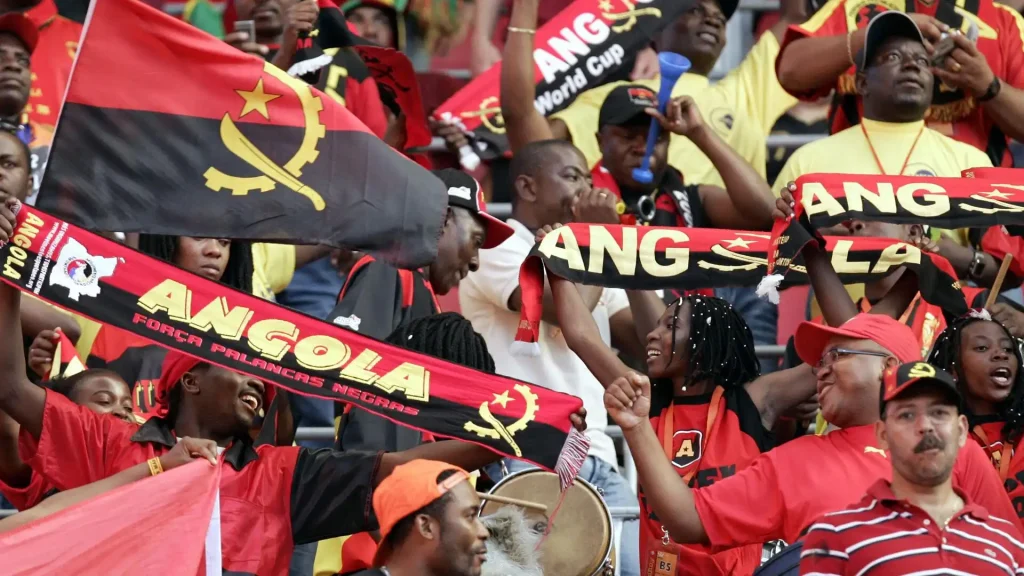
On Tuesday, November 11th, Angola stood at a powerful, reflective moment. Fifty years ago, in 1975, the nation formally declared its independence from Portugal, finally ending a 13-year colonial struggle.
The celebratory drums were meant to sound a tune of pure liberation, yet over the last half-century, they’ve often been muffled by the shadow of conflict and struggle.
The Unfinished Chapter: From Freedom to Civil War
The joy of liberation in 1975 was tragically short-lived. Almost immediately, the dream of a unified, independent Angola fractured. Rival nationalist forces the MPLA and UNITA plunged the newly free country into a brutal civil war that raged for nearly three devastating decades.
As Angola commemorates this historic Golden Jubilee, the country has certainly seen impressive changes. Urban centers have grown, and major infrastructure projects shine, symbolizing a nation on the move. But beyond the official flags, parades, and optimistic speeches, a difficult reality persists. This is The Unfinished Revolution.
The Scars of Inequality: A Daily Struggle for Survival
Half a century after its birth, deep-rooted systemic issues remain stubbornly entrenched. While a few enjoy the nation’s wealth, the majority struggle with widespread poverty, stubbornly high youth unemployment, and limited access to vital services like healthcare and education.
The numbers tell a stark story:
- As recently as 2018, roughly one-third of the population survived on less than $2.15 per day.
- Over 16.5 million Angolans more than half the populace lived on less than $3.65 per person daily.
This harsh economic reality is most acutely felt on the dusty roads and in the bustling markets.
“My life is difficult. I can’t earn money or buy better clothes, but what’s really wearing us down is the hunger,” lamented Adelina, a tireless vendor in Luanda’s sprawling Kikolo market. She voiced the pervasive instability that haunts countless families: “We don’t have a permanent place to live, we don’t have a salary, we don’t have husbands.”
The Youth’s Mandate: Translating Wealth into Prosperity
Perhaps the most challenging reality faces the next generation. Angola’s youth unemployment rate stands at a daunting 27.9% (as of 2024), sharply contrasting with the 14.5% rate for the entire workforce. For young Angolans, the future looks daunting, yet their voices carry an urgent aspiration.
Daniel, a young Luanda resident, articulated this hope for his peers:
“We want young people to have jobs. We also want society to give more support to the youth, because it is through the youth that we can help the country grow.”
As Angola honours the painful, courageous journey to freedom on its 50th anniversary, the voices of Adelina, Daniel, and the working class underscore a powerful mandate.
The nation’s vast resource wealth, which drove so many to fight for independence, must finally be translated into shared stability and prosperity for every single citizen. The fight for political freedom is won, but the revolution for economic justice continues.