A scenario that began with a seemingly ordinary patient at Concord Hospital’s emergency department rapidly evolved.
The situation became a full-scale emergency response drill. This intensive exercise tested staff readiness for dealing with a dangerous infectious disease.
The sequence of events was initiated when the simulation patient described troubling symptoms.
“I’ve got a fever, my gums are bleeding a bit,” she informed the attending nurse. Her subsequent answer immediately triggered a high-level alert. When questioned about recent trips, the patient replied, “I was over in Sierra Leone.”
“That’s a bit of a trigger. It’s enough to trigger a response for a high-consequence infectious disease,” explained Caren Friend, the Disaster Manager for Sydney Local Health District. Given the reported presence of an Ebola outbreak in parts of Africa, that travel history instantly raised urgent alarm bells.
From Isolation to Specialized Transport
The woman was quickly moved into a quarantined area for preliminary testing. Across the entire hospital, staff immediately activated strict infectious disease protocols.
This event was, fortunately, a planned training drill designed solely to test critical emergency procedures.
Within the incident control room, senior personnel coordinated the crucial next steps. Dr. Timothy Gray, Concord Hospital Infectious Diseases Specialist, noted during the mock crisis meeting that the patient remained “not fit for discharge from an isolation point of view but also from a medical point of view.”
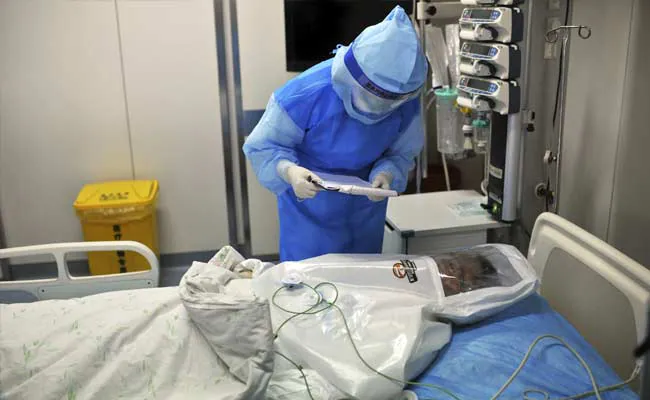
The decision was finalized to move the patient to the specialized biocontainment unit at Westmead Hospital. Transferring the patient required a vital piece of equipment: a bio-containment bubble.
Dr. Rob Scott of NSW Ambulance described the technology: “It’s a contained negative pressure unit which allows the patient to be transported in a contained manner.” The patient was monitored with heart rate and oxygen equipment, then securely sealed within the capsule for the journey.
Ensuring Readiness for a Global Threat
Several similar exercises took place across Sydney medical facilities last month. The central objective remains preparedness for the worst-case scenario. The bio-containment capsule, thankfully, has never been required for an actual emergency.
Dr. Gray highlighted the necessity of global awareness. “Australia has not yet had any Ebola or Ebola-like illnesses imported to Australia,” he confirmed. Nonetheless, cases have been confirmed in both the U.S. and Europe. Therefore, he concluded, “we must be prepared for the event that it occurs here.”
NAPE Warns of Oil Decline, Urges Urgent Exploration Investment