
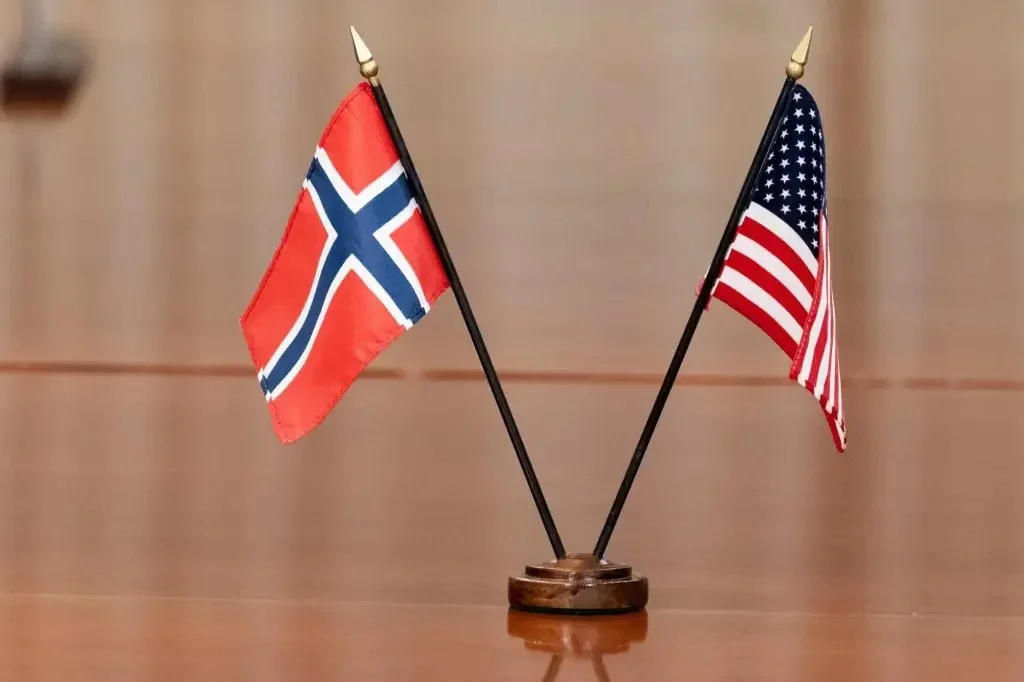
A 28-year-old Norwegian man who once worked as a security guard at the US Embassy in Oslo has been found guilty of espionage after admitting to sharing classified details with Russia and Iran.
An Oslo court sentenced him to three years and seven months in prison, describing his actions as a breach of national security.
Court Details Espionage Activities
Investigators revealed that the ex-guard disclosed sensitive information, including details about embassy staff, security systems, and building structures.
Although he acknowledged passing on the information, he maintained that his actions were not criminal. Prosecutors linked his motives to discontent over the United States’ position on Israel and the Gaza conflict.
Defense Challenges the Espionage Definition
Defense lawyer Inger Zadig of Elden Law Firm argued that the case raises questions about how Norway defines espionage.
“He exaggerated his access level,” Zadig said. “His role was limited, similar to a cleaner’s, and the data he shared had no security value.”
The defense team is considering filing an appeal, while Prosecutor Carl Fredrik Fari, who had requested a six-year sentence, may also challenge the verdict.
Student Ties and Previous Spy Case
The man was convicted on five espionage charges but cleared of corruption allegations. At the time of his arrest in November 2024, he was studying security at the Arctic University of Norway (UiT).
This incident marks UiT’s second espionage-related case. In 2022, authorities detained a supposed Brazilian researcher, later identified as Russian spy Mikhail Mikushin, who was later exchanged in a prisoner swap.
Norway’s Growing Border Concerns
Sharing a 198-kilometer border with Russia, Norway has become increasingly vigilant since Moscow’s 2022 invasion of Ukraine. The government has since tightened entry restrictions for Russians and is considering constructing a border fence to bolster Arctic defenses.
Significance of the Espionage Case
The Norwegian ex-guard espionage case has reignited national debate about the country’s vulnerability to foreign intelligence operations. It highlights the need for clearer espionage laws and stronger protective measures as Norway navigates rising global tensions.
________________________________________________