On Thursday, October 16, 2025, signs emerged that Nigeria might revise a presidential pardon list approved by the Council of State.
The list, presented by Attorney-General Lateef Fagbemi, has drawn criticism for including high-profile and violent offenders, prompting calls for changes.
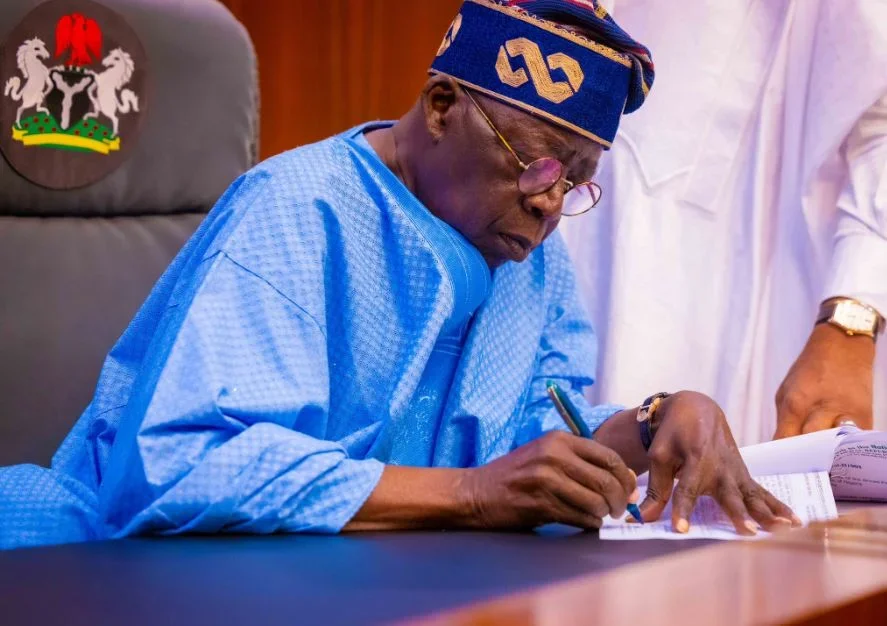
President Bola Tinubu’s pardons, often tied to national events, aim to ease prison overcrowding and foster unity.
The list, based on advice from the Presidential Advisory Committee on the Prerogative of Mercy, includes six groups: full pardons, posthumous pardons (like the Ogoni Nine), honored victims, clemency recipients, inmates with reduced sentences, and death row inmates shifted to life imprisonment.
Public and Agency Pushback
The inclusion of figures like Maryam Sanda, convicted in 2017 for killing her husband, stirred outrage. Some of the victim’s family opposed her pardon, though her father and the victim’s father supported it.
Other names, such as Major S. Alabi Akubo, convicted for illegal firearms, and Kelvin Prosper Oniarah, a kidnapper, also raised concerns due to their ties to violent crimes.
Anti-corruption and security agencies, including the Economic and Financial Crimes Commission (EFCC) and National Drug Law Enforcement Agency (NDLEA), are pushing to block certain releases.
A presidential aide, speaking anonymously, said agencies believe some names were added improperly, bypassing the committee’s vetting. “Some convicts can’t be freed, especially those who harmed security personnel,” the aide noted.
Calls for Transparency
Fagbemi clarified that the pardon process is under review and no inmates have been released. “We’re ensuring all names meet legal standards,” he said in Abuja.
The final step involves issuing formal release documents after a thorough check, reflecting the government’s focus on fairness.
Security officials echoed this, alleging low-level committee members added unvetted names. “The list is too broad,” one said anonymously.
“Agencies like EFCC and NDLEA want it trimmed to exclude risky releases.” Another official noted that some cases are recent, and the President may not know all listed names.
Next Steps and Public Role
Fagbemi praised public feedback as a sign of Nigerians’ commitment to justice. “The process isn’t delayed; it’s about following the law,” he said. The final list will likely drop names that threaten security or public trust.
The controversy highlights Nigeria’s struggle to balance mercy with justice. As reviews continue, the government aims to ensure only deserving individuals benefit, with updates to follow once checks are complete.