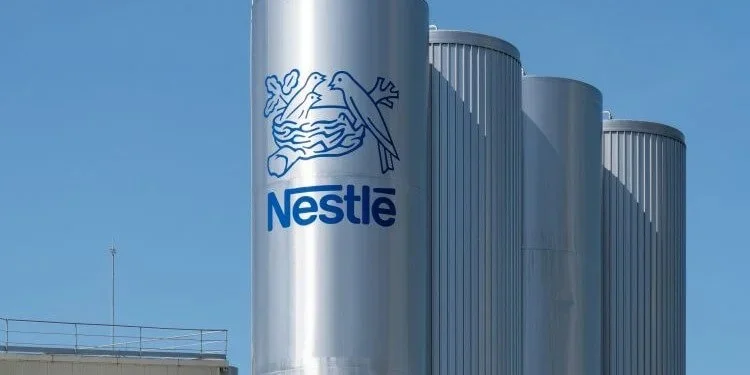
Nestlé has officially exited the Dairy Methane Action Alliance, a global coalition created to reduce methane emissions in dairy farming. The company announced its withdrawal on October 8, 2025, marking a strategic shift in how it pursues climate goals. The alliance, launched in 2023, includes major players such as Danone and Starbucks and is supported by the Environmental Defense Fund (EDF).
Continued Commitment to Climate Targets
Despite leaving the alliance, Nestlé reaffirmed its commitment to tackling greenhouse gases, including methane, across its supply chain. The company stated that it remains firmly on track to achieve net zero emissions by 2050, highlighting that its exit does not weaken its environmental agenda. According to its 2024 non-financial report, Nestlé had already achieved a 21% cut in methane emissions compared to 2018 levels. Given that methane is roughly 30 times more potent than carbon dioxide, these reductions represent significant progress toward its climate objectives.
New Collaboration to Boost Food System Resilience
Just a day after announcing its withdrawal, Nestlé revealed a new partnership with the World Farmers’ Organisation (WFO). The collaboration aims to enhance food system resilience and support farmers in adapting to climate change. The initiative reinforces Nestlé’s ongoing methane reduction and sustainability strategies, signaling that the company is not stepping away from climate action but rather pursuing it independently.
Why Nestlé Left the Alliance
Nestlé explained that its decision resulted from a routine review of external memberships, a process the company conducts periodically to assess alignment with its strategic priorities. However, it did not provide detailed reasons for stepping away from the Dairy Methane Action Alliance. The EDF, which founded the alliance, responded diplomatically. “We value Nestlé’s ongoing climate efforts through its Dairy Climate Plan,” said EDF’s Katie Anderson, acknowledging the company’s continued work toward methane reduction.
Broader Industry and Climate Context
The Dairy Methane Action Alliance requires participants to measure, report, and reduce methane emissions from their dairy supply chains. Agriculture accounts for nearly 40% of global human-caused methane emissions, much of it originating from livestock. Nestlé’s exit follows a wider pattern of corporations withdrawing from global climate alliances due to evolving policies and operational pressures. Experts warn that these departures may undermine collective progress on emission targets, though individual commitments like Nestlé’s remain critical.
Sustainability and Future Direction
Nestlé’s current climate roadmap centers on sustainable sourcing, dairy innovation, and renewable practices to reduce its carbon and methane footprint. The company continues to invest in research and technology to improve efficiency and lower emissions across its agricultural network. While no longer part of the formal alliance, Nestlé’s methane reduction strategy remains active. The firm’s focus on resilience and long-term sustainability suggests it will continue playing a leadership role in climate-conscious food production well into the next decade.
__________________________________________________