
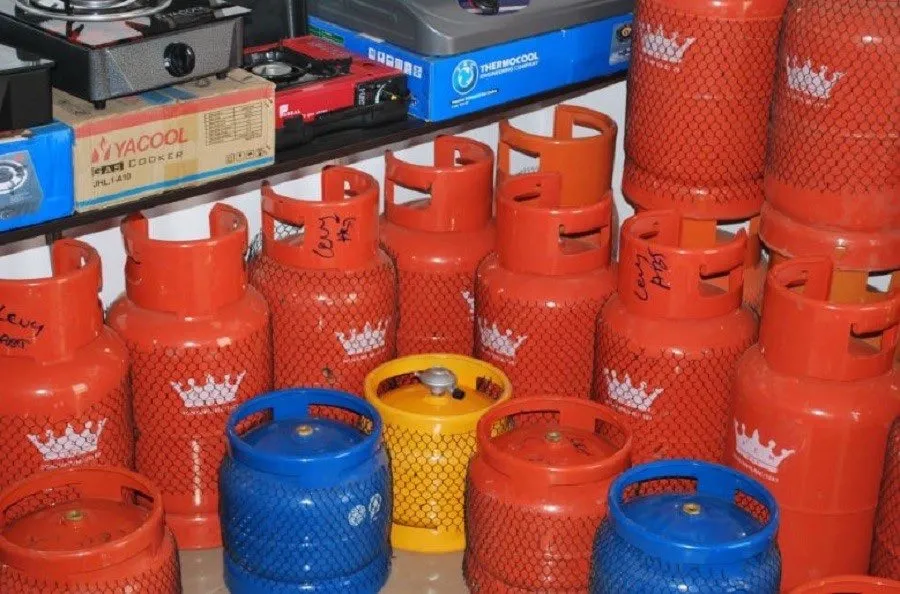
Dangote Refinery has announced a reduction in the ex-depot price of Liquefied Petroleum Gas (LPG), also known as cooking gas, from ₦810 to ₦760 per kilogram.
The move comes as part of the refinery’s effort to stabilize the LPG market and make cooking gas more affordable for Nigerian households.
Competing Prices Across the Market
Dangote’s new price places it well below that of other major players in the sector. Competing companies such as Matrix and Ardova currently sell at ₦920/kg, A.Y.M Shafa and NIPCO at ₦910/kg, and Stockgap at ₦950/kg.
By setting its price between ₦150 and ₦190 cheaper per kilogram, Dangote Refinery has positioned itself as the most competitive supplier in the domestic market.
Market Strategy and Industry Reaction
Industry analysts view the price reduction as a strategic move by Dangote to reshape market dynamics and encourage fair competition.
“Dangote aims to restore stability and curb excessive pricing in the LPG sector,” said one industry expert. “This is part of a broader strategy following the refinery’s maintenance period, focused on competitive pricing and market discipline.”
Price Hike and Supply Challenges
In recent weeks, cooking gas prices had surged sharply, rising from about ₦1,000 to ₦3,000 per kilogram in parts of Lagos and other major cities.
The scarcity led to long queues at gas refilling plants and increased pressure on households already grappling with inflation.
The Nigerian National Petroleum Company Limited (NNPCL) attributed the crisis to the PENGASSAN strike, which disrupted LPG distribution nationwide.
NNPCL Promises Relief
Following a meeting with President Bola Tinubu, NNPCL CEO Bayo Ojulari confirmed that supply chains were being restored after the strike.
“Normal supply is resuming, and prices will stabilize as distribution recovers,” Ojulari assured on Sunday, emphasizing that coordinated efforts were underway to normalize availability.
Relief for Consumers
For millions of Nigerians, Dangote’s decision provides a glimmer of hope amid soaring energy costs. The refinery’s competitive pricing could help reduce the cost of living, ease market pressure, and improve access to affordable cooking gas across the country.
Industry watchers believe this move may force competitors to adjust prices downward, ultimately benefiting consumers and improving market stability.