
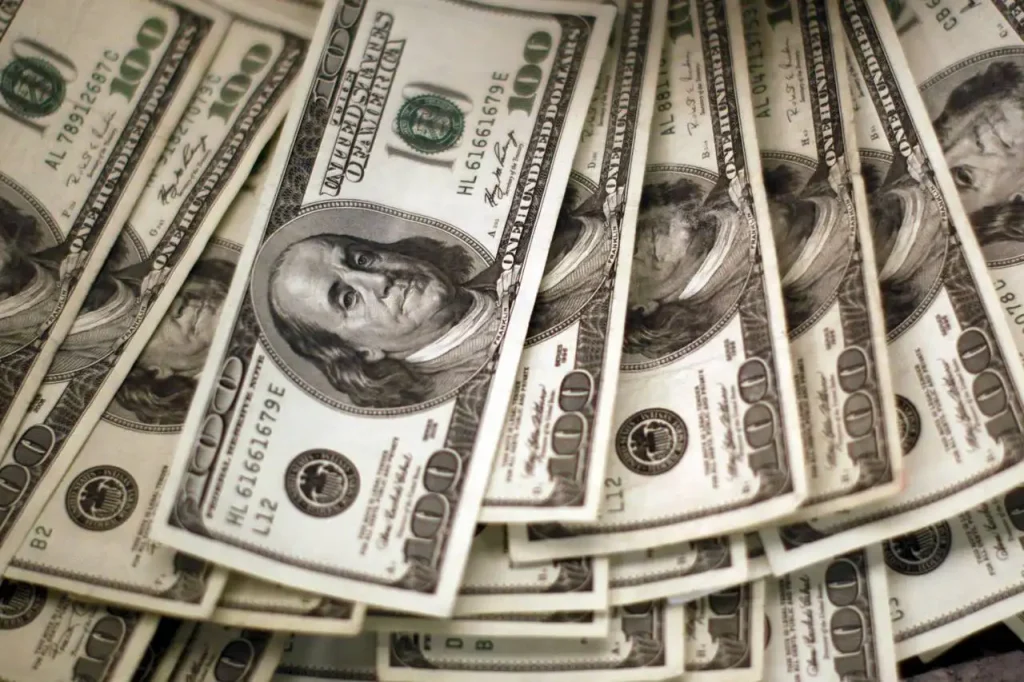
On September 25, 2025, the U.S. dollar rose against major currencies like the euro, yen, and Swiss franc.
New economic data showed stronger U.S. growth, suggesting the Federal Reserve may slow future interest rate cuts.
GDP Growth Surprises
The Commerce Department reported a 3.8% U.S. GDP increase for April to June 2025, up from an earlier 3.3% estimate.
This unexpected jump fueled the dollar’s rise, as markets see less need for rapid rate cuts.
Currency Movements
The dollar jumped 0.58% to 149.77 against the yen, its highest since early August. The euro fell 0.66% to $1.1659, hitting a two-week low.
The dollar index, tracking six major currencies, climbed 0.68% to 98.50, also a two-week peak.
Fed’s Rate Cut Debate
After last week’s rate cut, traders expect two more cuts in 2025. However, Fed Chair Jerome Powell and others stress that future moves depend on data.
Kansas City Fed President Jeffrey Schmid said the recent cut supports jobs, while Chicago’s Austan Goolsbee warned against easing too much with inflation above target.
New Fed official Stephen Miran pushed for bigger cuts to protect the labor market.
Market Reactions
Wall Street’s S&P 500, Dow, and Nasdaq dropped. U.S. Treasury yields rose, with 10-year notes up 2.5 basis points to 4.172% and 2-year notes up 6.3 basis points to 3.661%, reflecting rate expectations.
Expert Insights
Analysts note a gap between a weak job market and strong GDP.
“The Fed faces a tricky choice. Strong growth might mean a supply boost, so they’ll cut rates cautiously,” said a currency strategist at Standard Chartered.
Global Impact
The dollar also gained 0.60% against the Swiss franc, hitting a two-week high of 0.8, after the Swiss National Bank kept rates at zero and cited U.S. tariff risks for 2026.
Despite recent challenges, the dollar remains strong, sparking investor debates.