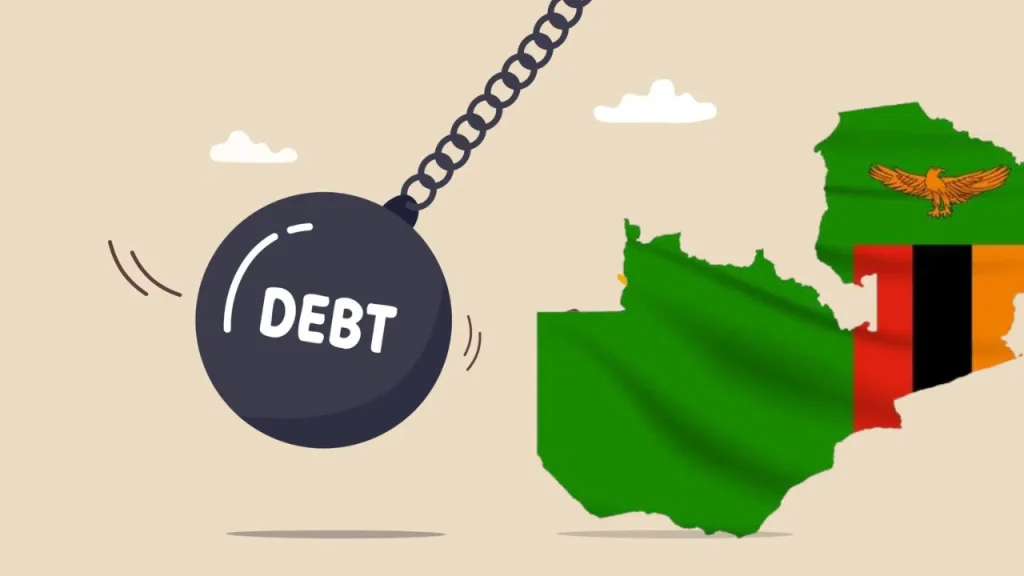
Zambia’s push to overhaul its debt obligations has encountered significant hurdles, primarily in negotiations with the African Export-Import Bank (Afreximbank).
On September 19, 2025, a senior finance official signaled that a resolution may not materialize until 2026. As one of the world’s leading copper exporters, Zambia secured a deal with major private creditors in June 2024 after protracted talks spanning over three years, yet ongoing issues continue to impede its economic rebound.
Core Issues in Creditor Negotiations
The primary sticking point lies in determining whether Afreximbank and the Trade and Development Bank (TDB) should accept debt reductions or receive preferential treatment akin to that of multilateral institutions like the IMF and World Bank.
This unresolved debate has left Zambia in default, stalling its path to financial stability. While discussions with TDB have progressed since starting two months ago, talks with Afreximbank remain sluggish.
Official Perspectives on the Process
In a recent London interview, Zambia’s Secretary to the Treasury, Felix Nkulukusa, highlighted the nation’s role as a trailblazer in debt restructuring.
“We’re setting a precedent,” he noted, underscoring the innovative nature of Zambia’s approach. Afreximbank, however, fears that losing its preferred creditor status could weaken its credit rating, limiting its capacity to fund high-risk development projects that commercial banks typically shun.
Challenges for Development Banks
Preferred creditor status enables development banks to offer low-cost financing for critical projects, backed by government guarantees.
Zambia’s negotiations expose the tension between debtor nations seeking relief and creditors safeguarding their financial interests.
This dynamic underscores the complexities of aligning debt relief with creditor stability in global finance.
Looking Ahead
With copper exports central to its economy, Zambia urgently needs a resolution to stabilize its finances.
While officials remain engaged in dialogue, the prolonged talks signal a likely delay into 2026. This case highlights broader issues in international debt frameworks, where balancing creditor protections with debtor needs often results in extended impasses.
Observers will continue monitoring Zambia’s efforts to secure a balanced and sustainable outcome.
RELATED LINKS: NSC Clears Allowances for Team Nigeria at World Championship