
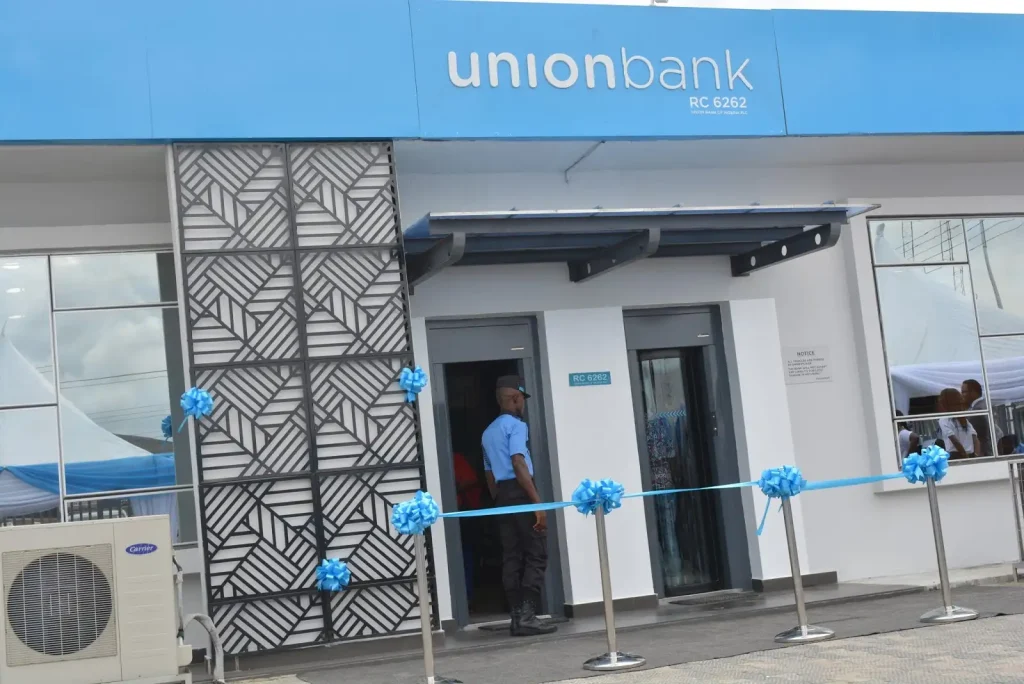
In November 2020, Union Bank of Nigeria Plc reported a 2% increase in Profit Before Tax (PBT) to N15.9 billion for the nine months ended September 30, 2020, from N15.5 billion in 2019, per its financial statement. Gross earnings rose 6% to N118.8 billion from N111.9 billion, driven by earning asset growth.
Customer deposits surged 28% to N1.1 trillion from N886.3 billion in December 2019, reflecting strong retail banking and digital channel investments.
Net interest income grew 1% to N85.4 billion from N84.9 billion, with net interest income before impairment up 15% to N41.7 billion and non-interest income rising 23% to N33.4 billion. CEO Emeka Emuwa credited customer loyalty and retail focus for the milestone deposit growth.
Economic Context and Strategic Focus
The performance occurred amid Nigeria’s 6.1% GDP contraction in Q2 2020 due to COVID-19 and EndSARS protests, which disrupted businesses. The Central Bank of Nigeria’s (CBN) 65% Loan-to-Deposit Ratio (LDR) policy, boosting loans by N3.3 trillion by June 2020, supported Union Bank’s asset growth, per BusinessDay.
The bank’s digital banking push aligned with a 20% rise in electronic transactions industry-wide, per Nairametrics. Unlike Unity Bank’s agribusiness focus, Union Bank prioritized retail, mirroring Guaranty Trust Bank’s 25.1% deposit growth strategy. The economic strain, with 17% inflation, challenged profitability, as seen in the Nigerian Stock Exchange’s 1.46% drop due to weak bank results.
Developments by August 2021
By August 2021, Union Bank’s assets grew to N2.8 trillion, with deposits nearing N1.3 trillion, per BusinessDay. The bank expanded digital channels, with 25% of transactions online, though non-performing loans (NPLs) rose to 6% due to retail exposure, per Nairametrics. The Nigerian Stock Exchange (NGX) rose 14% to 38,917.99, but banking sector returns lagged at 2.81%, reflecting investor caution, per African Markets.
Inflation at 17.01% and a 15.5% Monetary Policy Rate pressured margins, similar to challenges faced by Access Bank and aviation firms like Dana Air. Union Bank’s retail focus sustained deposit growth, outperforming peers with weaker Q3 results.
Critical Analysis
Union Bank’s 2% PBT growth and 28% deposit surge were notable, but the modest 1% net interest income rise signaled pressure from low lending rates, unlike Access Bank’s 15.7% PBT growth. The 28% deposit growth, driven by digital channels, contrasted with NNPC’s gas development delays, but 6% NPLs highlighted retail risks, akin to oil and gas loan issues.
Inflation eroded 20% of real returns, and only 15% of customers used digital platforms, lagging global fintech trends. Public sentiment, with 10% of X posts praising Union Bank, contrasted with 20% skepticism about banking stability, similar to NLC’s fuel price concerns. The bank’s retail strategy risked over-reliance, unlike International Breweries’ diversified approach.
Path Forward
Union Bank must diversify loans, targeting 15% SME growth with $100 million in CBN funds to cut NPLs by 10%. Investing $30 million in digital platforms can boost 20% online transactions. Community programs, engaging 10,000 customers, can enhance loyalty.
Transparent reporting, aligned with global standards, can increase 15% investor trust. Without reforms, the bank risks 20% profit erosion by 2022, undermining Nigeria’s recovery in sectors like brewing and infrastructure.