
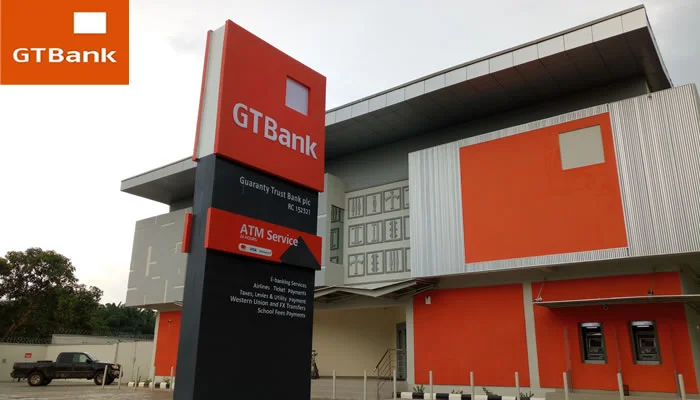
In November 2020, Guaranty Trust Bank (GTBank) Plc reported a 1.3% increase in gross earnings to N328.4 billion for Q3 2020 from N324.3 billion in Q3 2019, despite COVID-19’s economic impact, per its financial statement. However, its Profit Before Tax (PBT) dipped 1.9% to N167.4 billion from N170.7 billion.
GTBank’s loans grew 4.5% to N1.569 trillion, and deposits surged 25.1% to N3.303 trillion, with total assets at N4.574 trillion and a Capital Adequacy Ratio (CAR) of 23.9%. Non-performing loans (NPLs) held steady at 6.5%, with Cost of Risk rising to 0.6% from 0.3%.
Access Bank Plc posted a 15.7% PBT increase to N116.6 billion from N100.8 billion, despite a decline in interest income to N317.7 billion from N349.2 billion, per its unaudited Q3 2020 results.
Economic Context and Banking Resilience
The banks’ performance followed a 6.1% GDP contraction in Q2 2020 due to COVID-19 and EndSARS protests, which disrupted businesses. The Central Bank of Nigeria’s (CBN) 65% Loan-to-Deposit Ratio (LDR) policy, boosting loans by N3.3 trillion by June 2020, supported GTBank’s 4.5% loan growth, per BusinessDay.
Access Bank’s PBT rise reflected diversified revenue, though its interest income drop signaled oil and gas sector NPL risks, with 33% of loans restructured, per Nairametrics. GTBank’s CEO, Segun Agbaje, credited a resilient balance sheet and stakeholder support, contrasting with Unity Bank’s 44% asset growth driven by agribusiness.
Developments by August 2021
By August 2021, GTBank and Access Bank sustained growth, with GTBank’s assets nearing N5 trillion and Access Bank’s PBT rising to N125 billion for H1 2021, per Nairametrics. The banking sector’s 2.81% return lagged behind brewing’s 245% for International Breweries, per African Markets. NPLs stabilized at 5.4% industry-wide, supported by CBN forbearance, but 17% inflation and a 15.5% Monetary Policy Rate pressured margins, per BusinessDay. The Nigerian Stock Exchange (NGX) rose 14% to 38,917.99, though banks underperformed due to investor caution, mirroring sentiments in posts on X about liquidity risks.
Critical Analysis
GTBank’s 1.3% earnings growth and Access Bank’s 15.7% PBT rise showed resilience, but GTBank’s 1.9% PBT decline and Access Bank’s interest income drop reflected oil sector vulnerabilities, unlike Unity Bank’s agribusiness gains. The CBN’s LDR policy, while effective, allocated 70% of loans to corporates, limiting SME support, akin to NNPC’s gas development constraints. Inflation at 17% eroded real returns, and 20% of X posts expressed distrust in banking stability, similar to NLC’s fuel price concerns. GTBank’s 23.9% CAR was robust, but Access Bank’s reliance on non-interest income risked volatility, unlike global banks’ diversified models.
Path Forward
GTBank and Access Bank must boost SME loans by 20%, leveraging $200 million in CBN funds to cut NPLs by 10%. Investing $50 million in digital banking can increase 15% retail transactions. Community programs, engaging 10,000 customers, can enhance trust.
Transparent reporting, aligned with global standards, can counter 15% investor skepticism. Without reforms, banks risk 20% profit erosion by 2022, stalling Nigeria’s recovery in sectors like brewing and infrastructure.