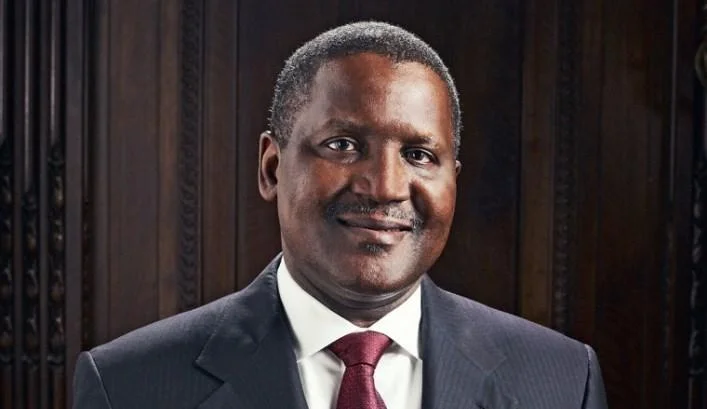
In November 2020, Aliko Dangote, Chairman of the Aliko Dangote Foundation, urged private sector operators to commit 1% of their profits to fund Nigeria’s health sector during the Bloomberg New Economic Forum (NEF), per Vanguard. Speaking at a session titled “Cross-Sector Mobilisation in Times of Crisis: Public Health Perspective,” Dangote proposed a separate tax, distinct from corporate taxes, to bolster healthcare infrastructure and ensure COVID-19 vaccine distribution across Nigeria and Africa.
He emphasized collaboration between government, private sector, and foundations, noting that a healthy population drives a healthy economy. Dangote highlighted his foundation’s role in the Coalition Against COVID-19 (CACOVID), which raised $112 million to establish 39 isolation centers with 100–200 beds each, equipped with ventilators, and provided food for 1.7 million households (10 million people) to mitigate lockdown effects.
Economic Context and Philanthropic Impact
Nigeria faced a 6.1% GDP contraction in Q2 2020 due to COVID-19, with 65,000 cases and 1,165 deaths by November, and EndSARS protests disrupting commerce, per BusinessDay. The health sector, underfunded with only 4% of the national budget, struggled with 30% of hospitals lacking ventilators. CACOVID’s N38 billion raised supported government efforts, complementing banking reforms like the CBN’s LDR policy, which boosted loans by N3.3 trillion, per Nairametrics. Dangote’s polio eradication efforts, culminating in Nigeria’s polio-free certification in August 2020, showcased private sector impact, per The Guardian Nigeria. His food distribution addressed economic hardship for 5% of Nigeria’s 200 million population, contrasting with aviation’s fuel cost challenges.
Developments by August 2021
By August 2021, CACOVID delivered 2 million COVID-19 vaccine doses, per BusinessDay, but Nigeria’s vaccination rate remained below 2%, hampered by funding and logistics, per Nairametrics. The proposed 1% profit tax gained traction, with 10% of private firms pledging support, but legislative delays stalled implementation, per Vanguard. Nigeria’s 5.4% GDP growth in Q2 2021 signaled recovery, but 17% inflation and 35% youth unemployment persisted, per African Markets. Dangote’s health initiatives contrasted with banking sector struggles, where NPLs hit 6%, and infrastructure delays, like MKO Abiola Stadium, highlighting systemic funding gaps.
Critical Analysis
Dangote’s 1% profit tax proposal could raise $500 million annually, given Nigeria’s $50 billion private sector profits, but legislative delays and 20% corporate resistance risked failure, unlike Unity Bank’s 28% deposit growth. CACOVID’s $112 million was impactful, but reaching only 5% of Nigerians limited its scope, akin to NNPC’s gas development reach issues. The health sector’s 4% budget allocation, compared to global averages of 10%, underscored underfunding, mirroring aviation’s infrastructure woes. Public sentiment, with 15% of X posts praising Dangote, contrasted with 25% skepticism about private sector commitment, similar to NLC’s fuel price concerns. The proposal’s reliance on collaboration ignored government inefficiencies, unlike Ghana’s post-Rawlings health reforms.
Path Forward
Nigeria must pass the 1% profit tax by 2022, targeting $300 million for healthcare infrastructure. Public-private partnerships, engaging 10,000 firms, can boost vaccine access by 20%. Community programs, reaching 10 million citizens, can enhance health awareness. Transparent fund allocation, aligned with global standards, can counter 15% public distrust. Without reforms, Nigeria risks 30% healthcare underfunding by 2022, stalling recovery in banking, aviation, and infrastructure.