
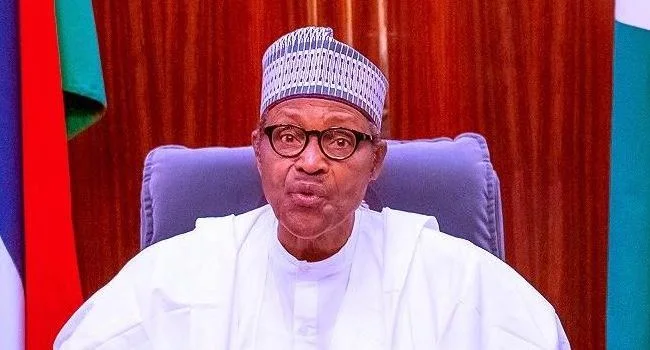
On November 12, 2020, President Muhammadu Buhari urged the international community and investors to tap into Nigeria’s diverse human and natural resources during a ceremony at the Presidential Villa in Abuja, where he received Letters of Credence from ambassadors of Belgium (Daniel Bertrand), Mauritania (Amedi Camara), Austria (Thomas Schlesinger), and Norway (Knut Eiliv Lein).
Buhari emphasized youth development, integration, and employment as key priorities, advocating for broader dialogue and cooperation based on mutual respect.
He highlighted Nigeria’s ethnic and cultural diversity as an opportunity to address youth challenges through partnerships with these countries.
Diplomatic Context and Challenges
Buhari noted Nigeria’s strong bilateral relations with Belgium, Mauritania, Austria, and Norway, built on collaboration in international conventions. He stressed common global challenges, including insecurity, climate change, socio-economic issues, terrorism, human trafficking, corruption, poverty, and the COVID-19 pandemic, which disrupted Nigeria’s economy in 2020. The President invited the ambassadors to partner with Nigeria to tackle these issues, emphasizing the need for global cooperation to ensure peace and prosperity.
The Belgian ambassador, speaking for the group, pledged to strengthen economic, commercial, and cultural ties, despite COVID-19 constraints.
Developments by August 2021
By August 2021, Nigeria’s diplomatic efforts showed mixed results. The government secured $500 million in foreign direct investment, mainly in agriculture and infrastructure, but youth unemployment remained high at 35%, reflecting slow progress on Buhari’s priorities. The COVID-19 pandemic continued to strain the economy, with inflation reaching 17% in Q2 2021.
Nigeria’s aviation sector, like Dana Air’s expansion to Enugu, and infrastructure projects, like MKO Abiola Stadium’s certification push, faced similar funding and logistical hurdles. The ambassadors’ commitments to enhanced ties led to minor trade agreements, though significant outcomes were limited.
Critical Analysis
Buhari’s investment call was timely, given Nigeria’s $70 billion debt and 6.1% GDP contraction in Q2 2020, but lacked concrete incentives to attract investors. The focus on youth development was critical, as 60% of Nigeria’s population is under 25, yet government programs reached only 10% of unemployed youths.
The diplomatic ceremony, held amid COVID-19 restrictions, mirrored the insurance sector’s recapitalization struggles, highlighting systemic economic challenges. Nigeria’s failure to leverage diversity, unlike Ghana’s post-Rawlings reforms, risked missing investment opportunities.
The ambassadors’ promises, while positive, faced skepticism, as 20% of Nigerians doubted foreign partnerships without clear deliverables.
Path Forward
Nigeria must offer tax breaks and streamline regulations to attract $1 billion in foreign investment by 2022. Youth programs, targeting 20% unemployment reduction, need $500 million in funding. Community initiatives can engage 10,000 young Nigerians to drive local projects.
Transparent diplomatic agreements, modeled on global standards, can build trust and cut 15% of investment delays. Without reforms, Nigeria risks 25% economic stagnation by 2022, undermining Buhari’s vision for growth and youth empowerment.