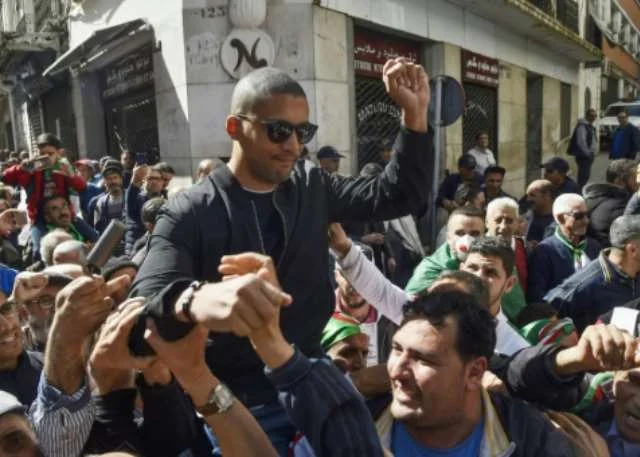
On August 3, 2020, an Algiers court opened the trial of Khaled Drareni, a 40-year-old journalist and editor of Casbah Tribune, also a correspondent for TV5Monde and Reporters Without Borders (RSF), per.
Prosecutors sought four-year sentences for Drareni and co-defendants Samir Benlarbi and Slimane Hamitouche, Hirak activists, charging them with “inciting an unarmed gathering” and “undermining national integrity,” .
Drareni, arrested March 7, 2020, while filming a Hirak protest, denied the charges, insisting he only exercised his right to inform, per.
Sentencing and Appeal
On August 10, 2020, the court sentenced Drareni to three years in prison and a 50,000-dinar ($400) fine, while Benlarbi and Hamitouche received two years each, per. On September 15, an appeal reduced Drareni’s sentence to two years, with Benlarbi and Hamitouche released on four-month terms served, per. Drareni remained in Kolea prison, appearing via video-link, per. RSF called the verdict “arbitrary, absurd, and violent,” per, while Amnesty International labeled it a “mockery of justice,” per.
Broader Crackdown on Press Freedom
Algeria’s government intensified journalist arrests in 2020, with five others convicted or awaiting trial, per. The April 2020 Penal Code amendments criminalized “false news” and foreign funding, threatening up to seven years for undermining state security, per. Algeria ranked 146th in RSF’s 2020 World Press Freedom Index, down 27 places since 2015, per. Outlets like Maghreb Emergent and Radio M faced blockades, per. Drareni’s case, tied to his Hirak coverage since February 2019, symbolized this repression, per.
Outcome by August 2021
By February 19, 2021, President Abdelmadjid Tebboune pardoned Drareni, releasing him after 11 months, alongside 60 Hirak activists, per. Protests outside Algiers courts and in Paris, plus UN and EU appeals, pressured the government, per,. By August 2021, Drareni resumed work as RSF’s North Africa representative, though his retrial loomed in September, per. Algeria’s press freedom remained dire, with 13 journalists prosecuted, per.
Critical Analysis
Drareni’s prosecution, based on vague charges over social media posts and protest coverage, reflects Algeria’s use of national security laws to silence dissent, per. The military’s influence, controlling politics since 1962, undermines Tebboune’s reform pledges, per. The Hirak’s push for pluralism, achieving Bouteflika’s 2019 ouster, met resistance, with 500 arrests in June 2020, per. Economic woes—60% youth unemployment, per World Bank—fueled unrest, yet judicial independence, ranked 130th globally, per World Justice Project, enabled impunity. Drareni’s pardon was likely a concession to international pressure, not reform, per.
Path Forward
Algeria must repeal Penal Code amendments and align with Article 50’s free expression guarantee, per. The UN’s special rapporteur on press freedom should investigate ongoing prosecutions, per. EU sanctions, as proposed by the European Parliament, could deter journalist arrests, per. Community-led media, like Casbah Tribune, needs funding to counter state censorship, per. Addressing poverty and military dominance, with 15% of GDP on defense, per World Bank, is critical to stabilize Algeria and restore press freedom.